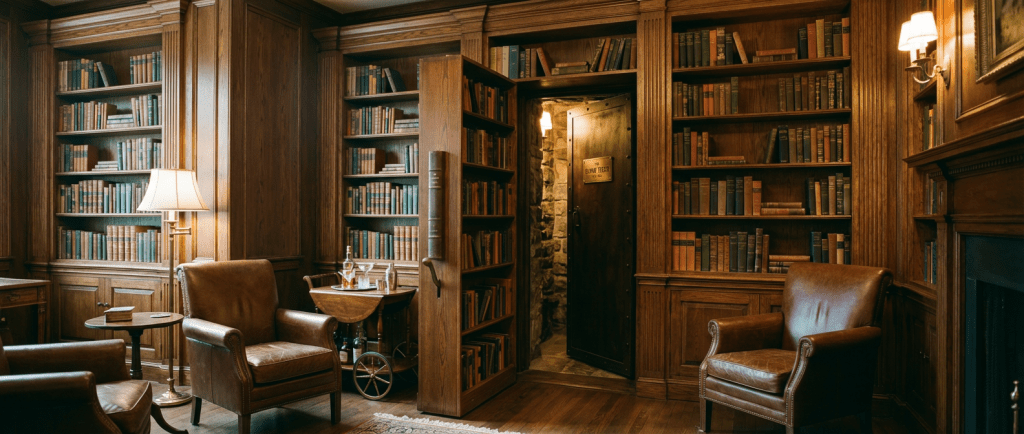
Behind a hidden, unmarked door on a crowded city block, a bartender slides a glass across a polished wood bar as jazz music plays softly in the background. The scene feels a bit theatrical, yet its roots trace back more than a century to a time when ordering a drink required discretion, coded language, and trust. The American speakeasy began as an act of defiance during Prohibition and later evolved into one of the country’s most enduring cultural symbols, reinvented again and again as attitudes toward drinking, nightlife, and social space evolved.
The Birth of the Speakeasy: Prohibition and Resistance
The story begins with the ratification of the 18th Amendment in 1919 and the passage of the Volstead Act, which outlawed the manufacture, sale, and transportation of alcoholic beverages across the United States. Reformers believed banning alcohol would reduce crime and improve public health. Instead, the law reshaped social life in the most unexpected ways.
Americans didn’t suddenly abandon drinking. Instead, alcohol went underground. Illegal bars appeared in basements, back rooms, apartments, and storefronts under the guise of legitimate businesses. These hidden establishments became known as “speakeasies,” a term believed to reference the need for patrons to speak quietly about their whereabouts to avoid attracting police attention.
By the early 1920s, speakeasies existed in nearly every major city. New York City alone was estimated to have tens of thousands of illicit drinking spots at the height of Prohibition, far more than the number of licensed saloons that operated before the ban. Enforcement proved inconsistent, and corruption often allowed owners to operate openly so long as bribes were paid.
Speakeasies came in all shapes and sizes. Some were little more than a kitchen table and homemade liquor. Others rivaled pre-Prohibition nightlife venues, complete with orchestras, dance floors, and elaborate décor. Entry frequently required passwords, membership cards, or personal introductions, creating an atmosphere of secrecy that added to their appeal.
Crime, Culture, and Changing Social Norms
Organized crime quickly recognized opportunity in the illegal alcohol trade. Figures such as Al Capone built distribution networks supplying bootleg liquor to cities nationwide. While criminal involvement increased violence and corruption, it also ensured a steady flow of alcohol that sustained the speakeasy economy.
At the same time, speakeasies became spaces where social boundaries loosened. Women entered nightlife in greater numbers than ever before, often drinking publicly alongside men. Jazz music flourished inside these hidden venues, launching careers of Black musicians whose artistry reshaped American culture despite persistent racial segregation outside their doors.
The speakeasy also encouraged experimentation in cocktails. Bootleg alcohol often tasted harsh due to poor distillation methods, so bartenders masked flavors with fruit juices, sugar, and bitters. Many classic drinks popular today, like the Sidecar, Bee’s Knees, and French 75, gained prominence during this era because they softened the taste of illicit spirits.
Prohibition unintentionally turned drinking into a shared act of rebellion. Visiting a speakeasy carried risk, yet that risk created excitement and a sense of belonging among those who felt they were participating in something forbidden.
Repeal and Disappearance
By the early 1930s, public opinion had shifted dramatically. The Great Depression intensified criticism of Prohibition, as many Americans questioned why the government refused tax revenue generated by alcohol sales. Enforcement costs rose while illegal markets thrived.
In 1933, the 21st Amendment repealed Prohibition, ending the federal ban on alcohol. Almost overnight, speakeasies lost their necessity. Legal bars reopened, breweries resumed production, and liquor returned to regulated commerce.
Many former speakeasy operators transitioned into legitimate businesses, though the culture around secret drinking faded. Mid-century American bars emphasized openness rather than concealment. Neon signs, televised sports, and standardized cocktails replaced coded entrances and hidden rooms. For decades, the speakeasy seemed destined to remain a historical curiosity tied exclusively to the Jazz Age.
Revival in the Late 20th Century
The modern revival began quietly in the 1980s and 1990s, driven by bartenders and hospitality professionals interested in cocktail history. Researchers rediscovered pre-Prohibition recipe books and techniques that had been lost during decades of simplified bar service.
In cities like New York and San Francisco, a new generation of bars embraced craftsmanship and storytelling. Rather than recreating illegal drinking, they borrowed aesthetic elements of historic speakeasies: concealed entrances, dim lighting, intimate seating, and attention to detail.
The opening of Milk & Honey in New York City in 1999 marked a turning point. Reservations replaced crowded bar lines, noise levels remained controlled, and bartenders focused on precision. The concept started the global speakeasy trend nationwide and helped spark what became known as the craft cocktail movement.
The 21st-Century Speakeasy Boom
During the early 2000s, speakeasy-style bars spread rapidly across the United States. Urban neighborhoods saw hidden lounges tucked behind bookstores, inside hotel corridors, or through unmarked alley doors. Social media fueled the trend; secrecy became part of the marketing appeal, even as locations circulated online.
Design plays a central role. Many spaces evoke Art Deco aesthetics or early jazz clubs. Some are more interested in historical accuracy, while others blend contemporary design with hints of secrecy, like hidden panels, coded menus, or discreet signage.
The speakeasy name is about intention.The appeal lies partly in contrast with louder nightlife environments. Patrons seek conversation, craftsmanship, and a slower pace that recalls an earlier era of hospitality.
Cultural Meaning Today
The evolution of the speakeasy reflects broader changes in American society. During Prohibition, these venues represented resistance against restrictive law. Later revivals reframed them as celebrations of craftsmanship and storytelling.
Their “staying power” also shows how Americans relate to nostalgia. Each generation reshapes the idea of the speakeasy to match contemporary desires. In the 1920s, secrecy protected patrons from arrest. Today, it creates a sense of discovery and mystery in an age defined by constant visibility.
Speakeasies now exist across the country, appearing in small towns as well as major cities. Some operate inside restaurants or hotels, while others exist as standalone cocktail lounges. Though legal and widely publicized, they each retain the mystique of their origins.
A Legacy Hidden in Plain Sight
The American speakeasy began as a workaround to prohibitionist policy and survived through reinvention rather than continuity. What once functioned as an underground necessity has become a design philosophy and cultural reference point. Each concealed entrance or password-protected reservation is a reminder of a time when sharing a drink required both courage and discretion. The modern speakeasy thrives because it preserves a feeling born more than a century ago.
 Speakeasy Guide
Leave a comment